
Welcome to Samarkand — A Silk Road Awakening
By Learmara Team
In brief
Notes from the courtyard: why the ancient capital of Timur still feels alive at first light.
The city at dawn
Samarkand wakes slowly. The first call to prayer drifts across the old town, followed by bakers pulling flat non from clay tandoors. The light hits the turquoise domes at an angle that photographs cannot honestly hold — you have to be there, cup of tea in hand, courtyard still cool from the night.
For two and a half thousand years travellers have arrived here for the same reason: the city sits at the crossing point of everything. Silk from China, silver from Persia, horses from the steppe, ideas from Byzantium. Timur made it his capital in the 14th century and pulled the best artisans of the known world within its walls. What they built is still standing.
What to see first
- Registan — three madrasas framing the great square. Come at opening, again at sunset, and once more after dark when the façades are lit.
- Bibi-Khanym Mosque — Timur's vast mosque, dedicated to his beloved. Walk the courtyard slowly; the scale is the point.
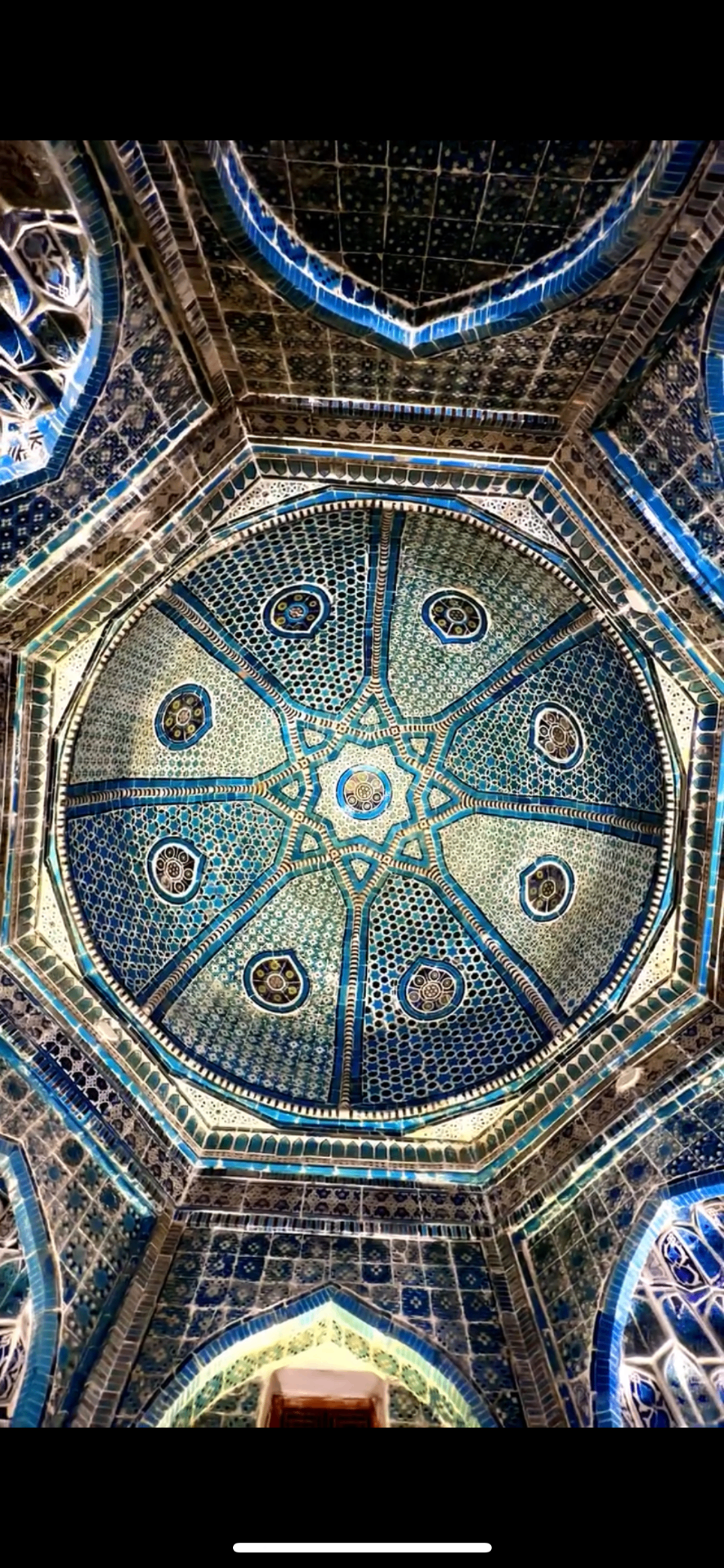
- Shah-i-Zinda — a corridor of turquoise tombs. The tilework here is arguably the finest in Central Asia.
- Gur-e-Amir — Timur's own mausoleum. A small, dense, gold-ceilinged room that stops most visitors in place.
- Siob Bazaar — for bread, dried fruit, spices and the sound of the living city.
How to move through the day
Start early. By 10am the main sites fill with day-trip groups from Tashkent, so give yourself the Registan and Shah-i-Zinda before they arrive. Retreat to a courtyard for lunch and a nap during the heat. Return to the monuments in the late afternoon, when the light turns the tiles molten.
Evenings belong to the old town's back streets — mulberry trees, low doorways, kids on bikes, the smell of grilled lamb.
Where to stay
Learmara sits inside the historic quarter, a short walk from the Registan and Bibi-Khanym. Our courtyards are quiet, the tea is always warm, and we can arrange guides, drivers and dinner in a family home. The idea is simple: give you a base that feels like Samarkand, not like a hotel.
Stay with us and step into 2,700 years of Silk Road history.