
The Registan by Night — Samarkand's Beating Heart
By Learmara Team
In brief
Why the great square is best seen twice: once in daylight, once after the lamps come on.
Three madrasas, one square
The Registan is not one building but three: Ulugh Beg Madrasa (1420), Sher-Dor Madrasa (1636) and Tilya-Kori Madrasa (1660). They face each other across a stone square that has hosted markets, executions, coronations and — today — quiet evening crowds with their phones held high.
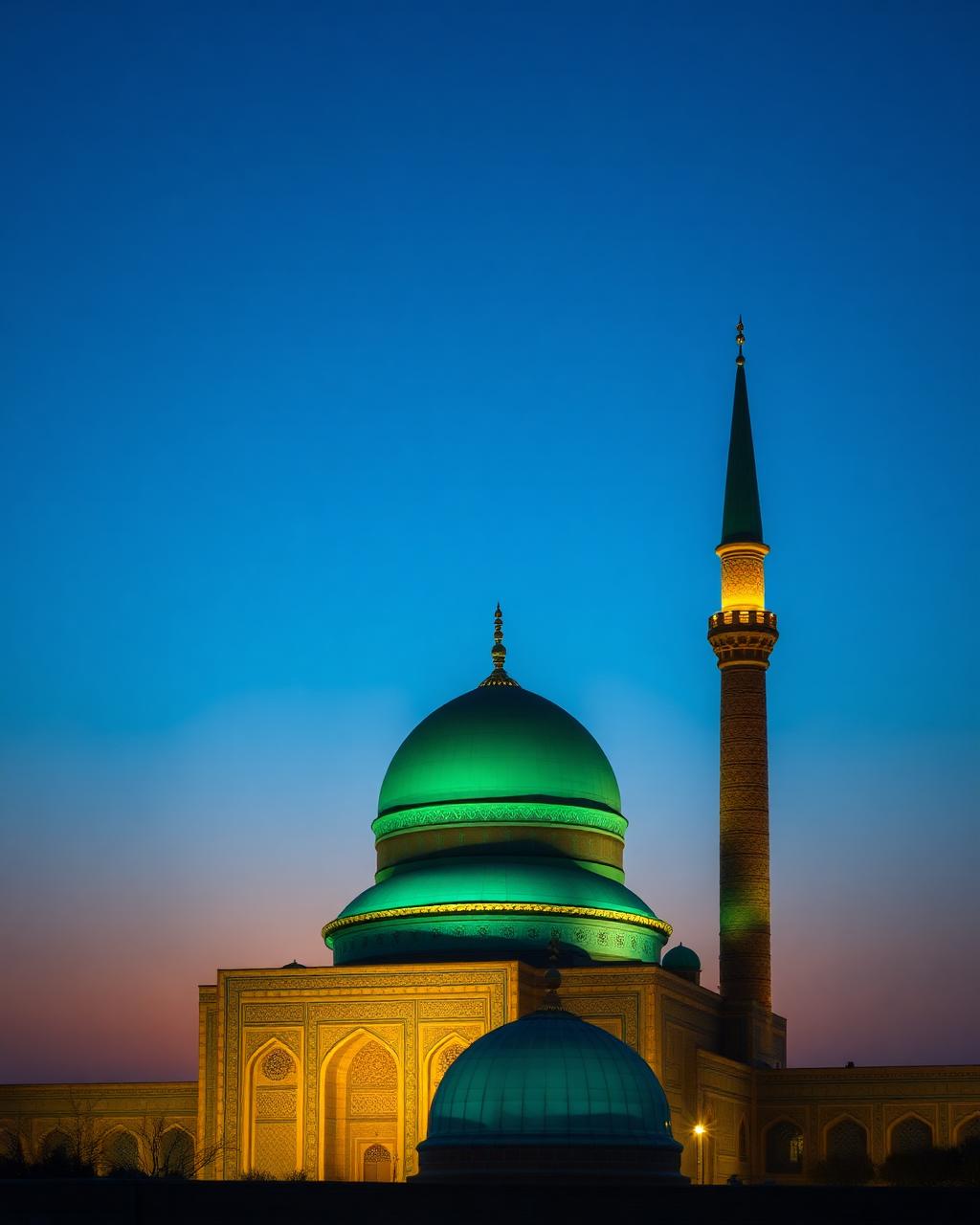
By day the tilework reads as pattern. By night, with the façades floodlit against a dark sky, the geometry lifts off the walls and becomes something closer to music.
When to come
- Golden hour, roughly 40 minutes before sunset — the tiles glow without any artificial light.
- After dark, once the floodlights come on — usually within half an hour of sunset in summer.
- Just before closing — the crowds thin, and you often get the square nearly to yourself.
What to look for
Sher-Dor's façade shows two tigers chasing sun-faced deer — a rare figurative motif in Islamic architecture and a small act of Timurid confidence. Tilya-Kori's interior is gilded in gold leaf; step inside and look up.
A small ritual
Buy a warm samsa from a stall on the way in, sit on the low stone edge of the square, and don't take a photo for the first five minutes. The Registan rewards patience.